
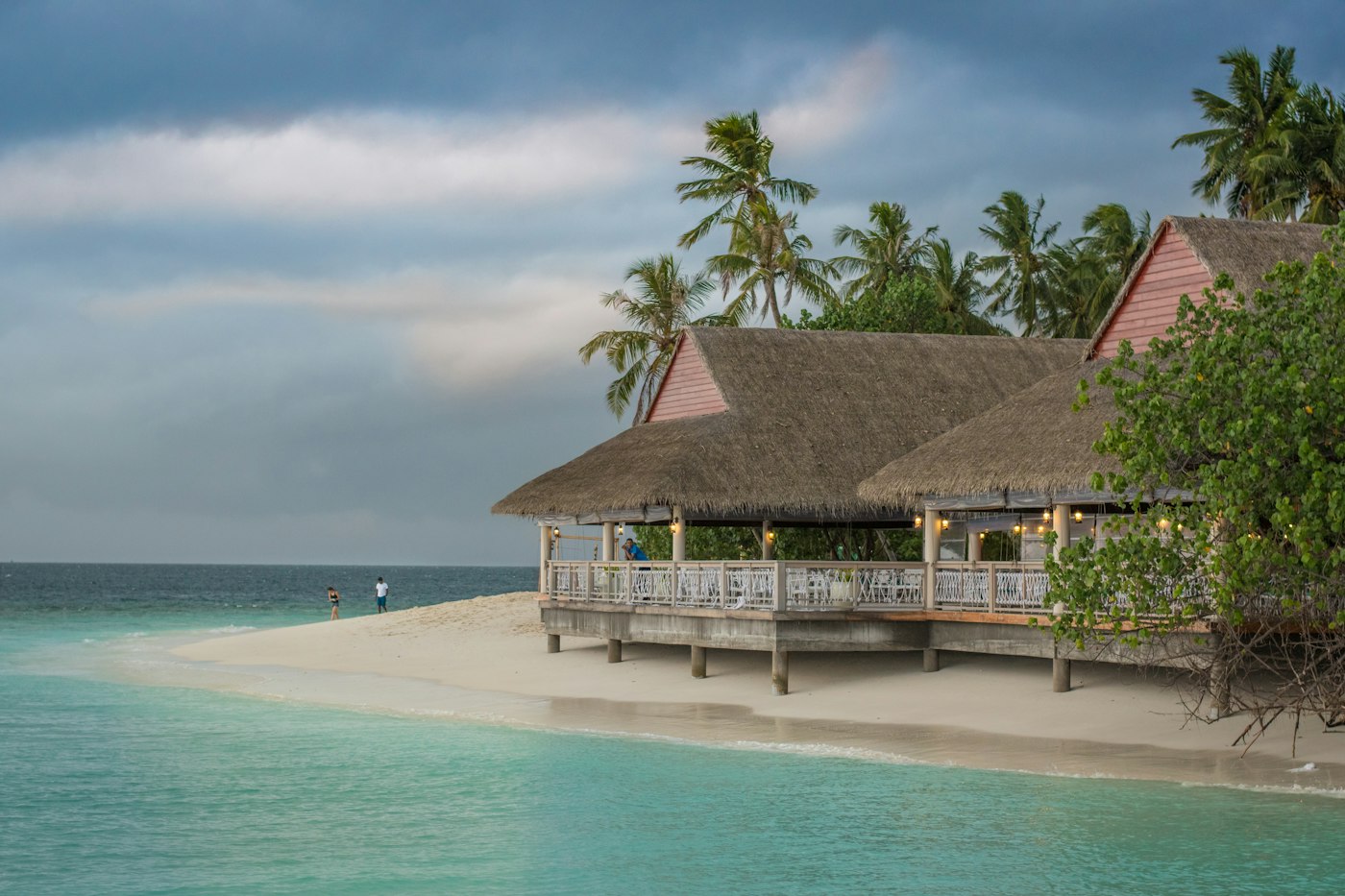
The Emerald Coast Vacation Home Guide
How to Buy, Rent, and Profit from a Gulf Coast Property
The Emerald Coast is one of the most sought-after vacation home markets in the Southeast. With sugar-white sand beaches, emerald-green waters, and a tourism economy that draws millions of visitors annually, properties in Destin, 30A, Fort Walton Beach, and Navarre offer genuine income potential alongside personal enjoyment. But buying a vacation home here requires a different strategy than a primary residence — and this guide walks you through every step.
Choose the Right Location for Your Goals
Destin and 30A command the highest nightly rates and strongest occupancy but also carry the highest purchase prices. Fort Walton Beach and Navarre offer more affordable entry points with solid rental demand. If income is your primary goal, proximity to the beach, pool access, and pet-friendly policies are the biggest drivers of bookings. If personal use is the priority, focus on the lifestyle and community that fits your family.
Understand Short-Term Rental Regulations
Florida is generally STR-friendly, but local ordinances vary. Okaloosa County and Walton County have different rules around licensing, occupancy limits, and noise ordinances. Always verify the current STR rules for the specific property and HOA before purchasing. Some HOAs prohibit short-term rentals entirely — this is a deal-breaker if rental income is part of your plan.
Financing a Vacation Home vs. Investment Property
Lenders treat vacation homes and investment properties differently. A second home (where you plan to use it personally) typically qualifies for better rates — as low as 10% down with conventional financing. A pure investment property usually requires 20–25% down and carries a higher interest rate. How you intend to use the property affects your loan type, so be transparent with your lender from the start.
Run the Numbers Before You Buy
Gross rental income is only part of the story. Factor in management fees (typically 20–30% of gross revenue), HOA fees, property taxes, insurance, maintenance, and vacancy periods. A realistic net yield after all expenses is typically 4–7% for well-located properties. Request rental history from the seller and cross-reference with platforms like AirDNA or Vacasa data for the area.
Insurance Is Non-Negotiable
Vacation homes on the Gulf Coast require robust insurance coverage — homeowners, wind, and flood. Rates are higher for non-primary residences and for properties in flood zones. If you plan to rent the property, you'll also need a short-term rental rider or a separate landlord policy. Get quotes before you close, not after.
Property Management: DIY vs. Professional
Self-managing a vacation rental can maximize income but requires significant time and availability. Professional property managers handle bookings, cleaning, maintenance, and guest communication for a percentage of revenue. For out-of-area owners, professional management is often worth the cost. Interview multiple managers, ask for their average occupancy rates, and check their reviews on Airbnb and VRBO.
Want the complete, in-depth version?
Download the full PDF guide — packed with additional detail, checklists, and NW Florida market data.
Ready to Buy Your Emerald Coast Vacation Home?
Jamie Vargas knows the vacation home market on the Emerald Coast inside and out — from Destin condos to 30A beach cottages. Whether you're buying for personal enjoyment, rental income, or both, she'll help you find the right property and make the numbers work.
Also check out
Divorce & Estate Sale Guide